



Positive Psychology Counseling in Phoenix, AZ
Moving Beyond Survival Toward Extraordinary Flourishing
At Biltmore Psychology and Counseling, we believe that therapy is for more than just navigating life’s darkest moments—it is a powerful tool for optimizing your greatest strengths. While traditional therapy often focuses on reducing symptoms of distress, Positive Psychology focuses on what makes life worth living.
If you feel “fine” but lack a sense of purpose, or if you are successful but feel a persistent lack of vitality, Positive Psychology can help you bridge the gap between “functioning” and “flourishing.” We help you move beyond simply solving problems and start building a life of meaning, engagement, and joy.
Is Positive Psychology Right for Me?
The Pillars of a Life Well-Lived
Our approach is grounded in the PERMA+ Model, the scientific framework for lasting well-being developed by Dr. Martin Seligman. We work with you to strengthen each of these core areas:
- Positive Emotions: Cultivating gratitude, hope, and joy as active practices rather than fleeting feelings.
- Engagement: Finding your “flow”—those moments when you are so absorbed in an activity that time seems to disappear.
- Relationships: Building deep, authentic connections that provide support and amplify your happiness.
- Meaning: Connecting to a purpose greater than yourself, whether through work, family, or community.
- Accomplishment: Setting and reaching goals that provide a genuine sense of competence and mastery.
Positive Psychology is an excellent fit for high-achievers, professionals, and anyone seeking a more vibrant experience of life. It is particularly effective for:
- Executive & Performance Coaching: Using your signature strengths to lead more effectively and reduce burnout.
- Life Transitions: Navigating a “mid-life” shift or retirement by redefining your sense of purpose.
- Building Resilience: Developing the psychological “grit” needed to navigate challenges without losing your sense of self.
- Increasing Life Satisfaction: Shifting from a “scarcity” mindset to an “abundance” mindset.
- Values Alignment: Ensuring your daily actions are in harmony with your deepest personal beliefs.
Our Approach: Strength-Based Transformation
At BPC, we don’t ignore your struggles, but we don’t let them define you. Our specialized clinicians use evidence-based interventions to help you thrive:
- Character Strength Assessments: Identifying your unique “signature strengths” (such as bravery, curiosity, or kindness) and finding ways to use them more intentionally.
- Gratitude & Perspective Training: Rewiring the brain’s natural “negativity bias” to more easily notice and savor the good in your life.
- Goal-Setting & Vitality Coaching: Creating actionable plans that align with your “Why,” leading to sustained motivation and energy.
- Mindfulness & Flow Induction: Learning how to be present and fully engaged in your professional and personal life.
Discover Your Highest Potential
In a free, no-obligation 10-min consultation we can help you determine whether our services would be the right fit for you.
You were meant to do more than just “get through” the day. At Biltmore Psychology and Counseling, we are ready to help you unlock your strengths and create a life of extraordinary flourishing.
Contact us to schedule a free phone consultation.
Discover Your Highest Potential
In a free, no-obligation 10-min consultation we can help you determine whether our services would be the right fit for you.
You were meant to do more than just “get through” the day. At Biltmore Psychology and Counseling, we are ready to help you unlock your strengths and create a life of extraordinary flourishing.
Contact us to schedule a free phone consultation.
Comprehensive Resource Model (CRM) FAQ
While both use eye positions, EMDR focuses on moving through a memory quickly. CRM focuses on staying with the memory while being so “resourced” that the memory no longer feels threatening. Many clients find CRM provides a deeper sense of core safety than EMDR.
No. While CRM uses internal imagery (like a “protective figure”), the model is grounded in neurobiology. The imagery is a tool to trigger specific neural pathways associated with safety. Your therapist will work with whatever concepts feel most authentic to you.
Yes. In fact, CRM is one of the premier models for treating dissociation. By building a strong “resourced” foundation first, we help the brain stay connected to the present moment rather than “splitting off” when things get difficult.
While trauma work requires energy, most CRM clients report feeling “grounded” and “clear” after a session rather than “shattered.” The model’s goal is to leave you feeling more empowered, not less.
Meet Our Team
Dr. Melissa Estavillo
Psy.D. Clinical Psychology,
Arizona School of Professional Psychology
M.A. Clinical Psychology,
Arizona School of Professional Psychology
B.S. Psychology,
Grand Canyon University

Dr. Linda DeBiase
Forest Institute of Professional Psychology, Doctorate in Clinical Psychology
Lake Forest College
B.A. Psychology
California School of Professional Psychology,
Clinical Psychology
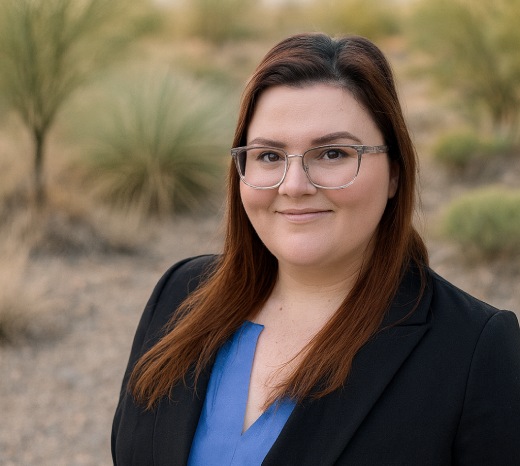
Dr. Nikki Kemper
Psy.D. Clinical Psychology,
Midwestern University
Masters in Clinical Psychology,
Midwestern University
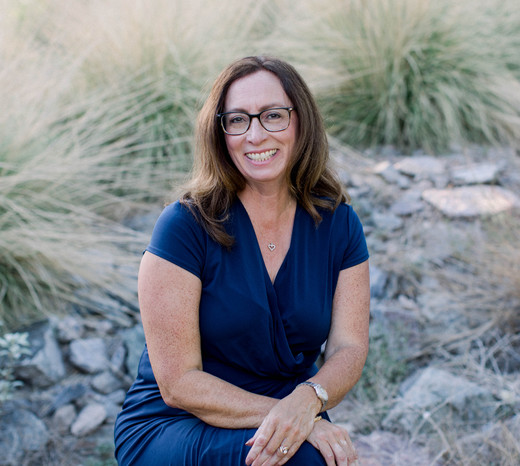
Nicole Elliott, LPC, PMH-C
M.C. Counseling,
Arizona State University
B.A. English (Literature),
Arizona State University
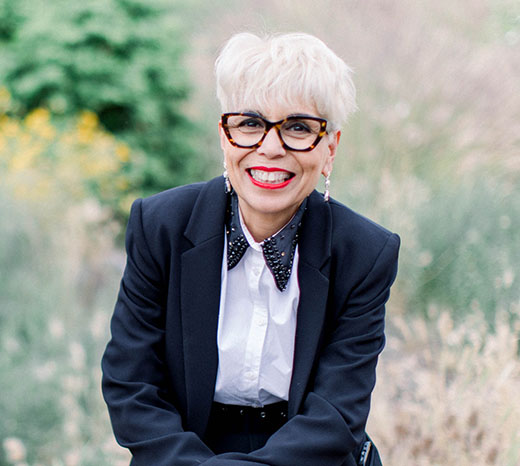
Elizabeth Felix, LPC
M.A. Professional Counseling, Ottawa University
M.A. Human Resources and Substance Abuse,
Ottawa University
B.A. Psychology,
Ottawa University
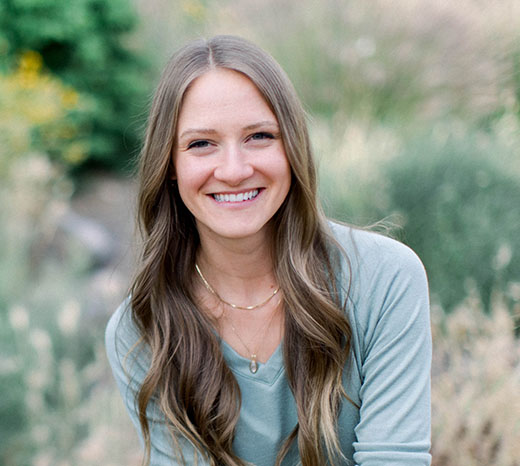
Laura Reed, LPC
M.S. Professional Counseling,
Grand Canyon University
B.S. Psychology,
Grand Canyon University

Rebecca Fregoso, LPC
M.S. Counseling,
University of Phoenix
B.A. Psychology,
California State University
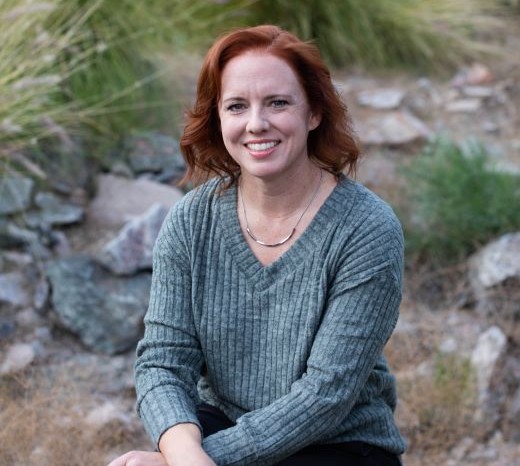
Kirsten Eby, LPC, ATR-BC
M.S. Art Therapy Counseling
Southern Illinois University, Edwardsville
M.A. Teaching, Elementary
American University
B.A. Psychology & Sociology
Tulane University
Dr. Melissa Estavillo
Psy.D. Clinical Psychology, Arizona School of Professional Psychology M.A. Clinical Psychology, Arizona School of Professional Psychology B.S. Psychology, Grand Canyon University
Dr Linda DeBiase
Forest Institute of Professional Psychology, Doctorate in Clinical Psychology Lake Forest College, B.A. Psychology California School of Professional Psychology, Clinical Psychology
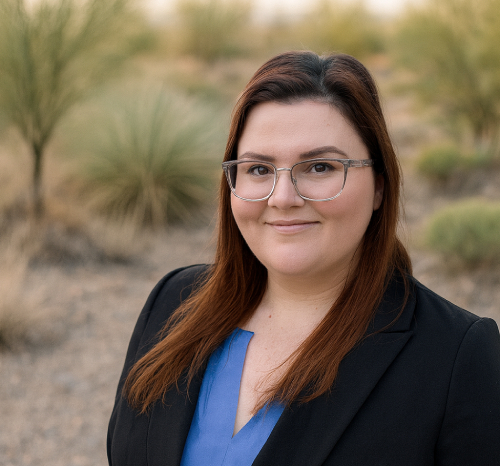
Dr Nikki Kemper
Psy.D. Clinical Psychology, Midwestern University Masters in Clinical Psychology, Midwestern University
Nicole Elliott, LPC
M.C. Counseling, Arizona State University B.A. English (Literature), Arizona State University
Elizabeth Felix, LPC
M.A. Professional Counseling, Ottawa University M.A. Human Resources and Substance Abuse, Ottawa University B.A. Psychology, Ottawa University<
Laura Reed, LPC
M.S. Professional Counseling, Grand Canyon University B.S. Psychology, Grand Canyon University
Rebecca Fregoso, LPC
M.S. Counseling, University of Phoenix, B.A. Psychology, California State University
Kirsten Eby, LPC, ATR-BC
M.S. Art Therapy Counseling Southern Illinois University, Edwardsville M.A. Teaching, Elementary American University B.A. Psychology & Sociology Tulane University
Our Location in Phoenix, AZ
Address:
6245 N 24th Parkway, Suite #106 Phoenix, Arizona 85016
Phone: (480) 999-7070
Hours: Monday – Friday, 9:00 am – 5:00 pm