



Skip Navigation

Betrayal Trauma Therapy in Phoenix, AZ

Reclaiming Your Reality and Rebuilding Your Safety

Few experiences are as devastating as the discovery that the person you trusted most has betrayed that trust. Whether the betrayal involves infidelity, financial deception, or a hidden life, the impact is often a profound psychological injury known as Betrayal Trauma. It can feel as though the ground has been pulled from beneath you, leaving you questioning your memories, your judgment, and your future.

At Biltmore Psychology and Counseling, we understand that you are not just “upset”; you are experiencing a traumatic response. Our specialized counseling provides a safe, non-judgmental harbor where you can process the shock, stabilize your nervous system, and begin the journey of deciding what comes next on your own terms.

Our Trauma-Informed Approach to Healing

Understanding the Symptoms of Betrayal Trauma

Betrayal trauma often mirrors the symptoms of PTSD. If you are struggling in the wake of a discovery, you may recognize these common responses:

  • Intrusive Thoughts: Constant “mental movies” or obsessive questioning about the details of the betrayal.
  • Hypervigilance: Feeling “on edge,” checking phones or bank accounts, and an inability to feel safe even in quiet moments.
  • Emotional Dysregulation: Rapid shifts between intense anger, deep grief, and a sense of “numbness” or shock.
  • Cognitive Dissonance: The painful struggle to reconcile the person you thought you knew with the person who betrayed you.
  • Physical Distress: Changes in appetite, sleep disturbances, and a constant “pit” in your stomach.


At BPC, we don’t rush you into “forgiveness” or immediate reconciliation. We focus on your healing first. Our clinicians utilize specialized tools to help you navigate this crisis:

  • Stabilization & Safety: Providing immediate tools to manage panic attacks, intrusive thoughts, and the “flooding” that occurs after a discovery.
  • Multidimensional Betrayal Trauma: Understanding the layers of the injury—including the loss of the past, the present, and the envisioned future.
  • EMDR & Brainspotting: Processing the traumatic “triggers” so that the memories of the betrayal no longer carry the same debilitating emotional charge.
  • Boundaries & Self-Advocacy: Helping you regain a sense of agency and setting boundaries that protect your emotional and physical well-being.
  • Discernment Support: Providing a neutral space to explore your options without pressure, whether that means working toward reconciliation or moving toward a healthy separation.

You Don't Have to Walk This Path Alone

In a free, no-obligation 10-min consultation we can help you determine whether our services would be the right fit for you.

The silence and isolation of betrayal can be as painful as the act itself. At Biltmore Psychology and Counseling, we are here to hold the light for you as you navigate the darkness of discovery and move toward a future of clarity and peace.

Contact us to schedule a free phone consultation.

Biltmore lobby chairs

You Don't Have to Walk This Path Alone

In a free, no-obligation 10-min consultation we can help you determine whether our services would be the right fit for you.

The silence and isolation of betrayal can be as painful as the act itself. At Biltmore Psychology and Counseling, we are here to hold the light for you as you navigate the darkness of discovery and move toward a future of clarity and peace.

Contact us to schedule a free phone consultation.

Betraya Trauma Counseling FAQ

No. Traditional couples counseling often focuses on communication and shared responsibility. In cases of betrayal, we believe the trauma must be treated first. Attempting standard couples work before the betrayed partner has been stabilized can often lead to further “re-traumatization.”

This is perhaps the most common question we hear. You are experiencing “gaslighting”, or the aftermath of a shattered reality. What you are feeling is a normal response to an abnormal situation. Counseling helps validate your experience and return your sense of sanity.

While every situation is unique, many relationships can be rebuilt, but it requires a structured, transparent process with therapeutic support. However, our primary goal at BPC is the healing of the individual. Whether the relationship continues or not, we ensure that you are whole again.

Yes, but typically in a separate capacity. We offer specialized individual counseling for those who have betrayed their partner, focusing on accountability, empathy-building, and addressing the underlying behaviors that led to the deception.

Meet Our Team

Dr Melissa Estavillo

Dr. Melissa Estavillo

Psy.D. Clinical Psychology,
Arizona School of Professional Psychology M.A. Clinical Psychology,
Arizona School of Professional Psychology
B.S. Psychology,
Grand Canyon University

Dr. Linda DeBiase

Dr. Linda DeBiase

Forest Institute of Professional Psychology, Doctorate in Clinical Psychology
Lake Forest College
B.A. Psychology California School of Professional Psychology,
Clinical Psychology
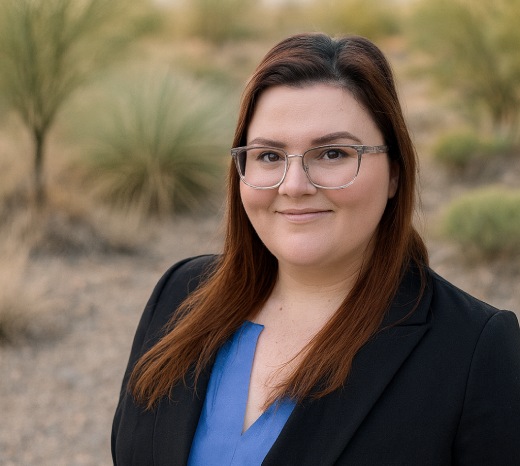
Dr. Nikki Kemper PsyD

Dr. Nikki Kemper

Psy.D. Clinical Psychology, Midwestern University
Masters in Clinical Psychology, Midwestern University

Nicole Elliott, LPC, PMH-C

Nicole Elliott, LPC, PMH-C

M.C. Counseling,
Arizona State University
B.A. English (Literature),
Arizona State University
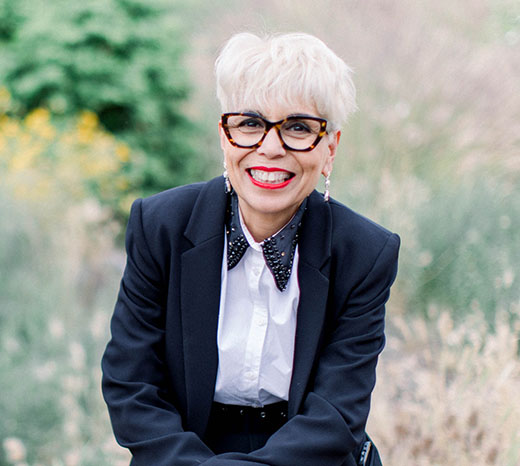
Elizabeth Felix, LPC

Elizabeth Felix, LPC

M.A. Professional Counseling, Ottawa University
M.A. Human Resources and Substance Abuse,
Ottawa University
B.A. Psychology,
Ottawa University

Laura Reed, LPC

M.S. Professional Counseling,
Grand Canyon University
B.S. Psychology,
Grand Canyon University

Rebecca Fregoso, LPC

Rebecca Fregoso, LPC

M.S. Counseling,
University of Phoenix
B.A. Psychology,
California State University
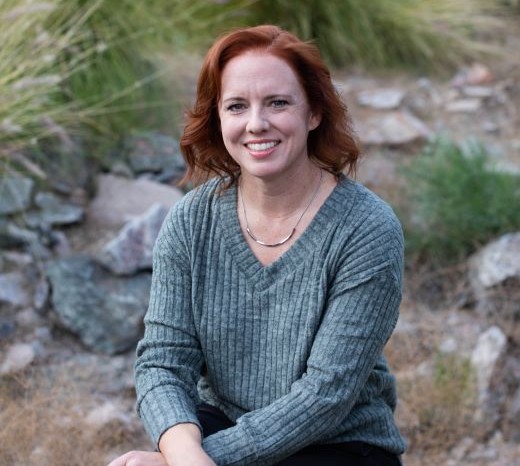
Kirsten Eby

Kirsten Eby, LPC, ATR-BC

M.S. Art Therapy Counseling
Southern Illinois University, Edwardsville
M.A. Teaching, Elementary
American University
B.A. Psychology & Sociology
Tulane University

Join our Team
Dr Melissa Estavillo

Dr. Melissa Estavillo

Psy.D. Clinical Psychology, Arizona School of Professional Psychology M.A. Clinical Psychology, Arizona School of Professional Psychology B.S. Psychology, Grand Canyon University

Dr. Linda DeBiase

Dr Linda DeBiase

Forest Institute of Professional Psychology, Doctorate in Clinical Psychology Lake Forest College, B.A. Psychology California School of Professional Psychology, Clinical Psychology
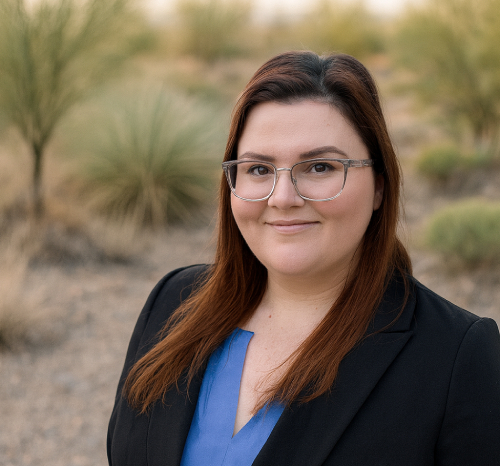
Dr. Nikki Kemper PsyD

Dr Nikki Kemper

Psy.D. Clinical Psychology, Midwestern University Masters in Clinical Psychology, Midwestern University

Nicole Elliott, LPC, PMH-C

Nicole Elliott, LPC

M.C. Counseling, Arizona State University B.A. English (Literature), Arizona State University

Elizabeth Felix, LPC

Elizabeth Felix, LPC

M.A. Professional Counseling, Ottawa University M.A. Human Resources and Substance Abuse, Ottawa University B.A. Psychology, Ottawa University<

Laura Reed, LPC

M.S. Professional Counseling, Grand Canyon University B.S. Psychology, Grand Canyon University

Rebecca Fregoso, LPC

Rebecca Fregoso, LPC

M.S. Counseling, University of Phoenix, B.A. Psychology, California State University

Kirsten Eby

Kirsten Eby, LPC, ATR-BC

M.S. Art Therapy Counseling Southern Illinois University, Edwardsville M.A. Teaching, Elementary American University B.A. Psychology & Sociology Tulane University

Our Location in Phoenix, AZ

Address:
6245 N 24th Parkway, Suite #106 Phoenix, Arizona 85016

Phone: (480) 999-7070
Hours: Monday – Friday, 9:00 am – 5:00 pm

BPC icon

Free 10-Min Consultation

A 10-min consultation can help you determine whether our services would be the right fit for you. Contact us to schedule a phone consultation.

"*" indicates required fields

This field is for validation purposes and should be left unchanged.
Name*