
Mindful Self-Compassion Therapy in Phoenix, AZ
Transforming Your Inner Critic into an Inner Ally
Most of us have a “double standard” for compassion. We are quick to offer kindness, patience, and understanding to a friend in pain, yet we meet our own struggles with harsh judgment, shame, or self-criticism. At Biltmore Psychology and Counseling, we believe that the way you relate to yourself is the foundation of your mental health.
Mindful Self-Compassion (MSC) is an evidence-based approach that combines the skills of mindfulness with the emotional warmth of self-compassion. It’s not self-indulgence or letting yourself “off the hook”, instead it is providing yourself with the internal support you need to navigate life’s inevitable challenges with resilience and grace.
Why Practice Self-Compassion?
The Three Pillars of Self-Compassion
According to the research of Dr. Kristin Neff and Dr. Christopher Germer, self-compassion is composed of three essential elements:
- Self-Kindness: Treating yourself with care and understanding rather than punishing yourself with self-judgment.
- Common Humanity: Recognizing that suffering and inadequacy are part of the shared human experience—something that we all go through, rather than something that happens to “only you.”
- Mindfulness: Holding your painful thoughts and feelings in balanced awareness, rather than over-identifying with them or suppressing them.
Research consistently shows that individuals who practice self-compassion experience significantly lower levels of anxiety and depression. By shifting the way you talk to yourself, you can experience:
- Increased Resilience: The ability to bounce back from failure or mistakes without the weight of debilitating shame.
- Healthier Relationships: When we are kinder to ourselves, we have more emotional bandwidth to be present and authentic with others.
- Reduced Perfectionism: Letting go of the impossible standard of “perfect” and embracing the reality of being “perfectly human.”
- Improved Body Image: Moving away from body-shaming and toward a relationship of respect and care for your physical self.
Our Approach: Integrating MSC into Therapy
At BPC, our psychologists and counselors don’t just teach MSC as a concept; we integrate it into the therapeutic process. Whether you are dealing with trauma, burnout, or relationship distress, we help you:
- Identify the “Inner Critic”: Recognizing the voice of self-judgment and understanding its protective intent.
- Develop “Self-Soothed” Regulation: Learning tactile and mental tools to calm your nervous system during moments of high stress.
- Practice “Fierce” Self-Compassion: Using compassion to set boundaries, protect yourself from harm, and take action toward your goals.
Start Treating Yourself Like a Friend
In a free, no-obligation 10-min consultation we can help you determine whether our services would be the right fit for you.
You have been your own harshest critic for long enough. At Biltmore Psychology and Counseling, we invite you to experience the life-changing power of being on your own side.
Contact us to schedule a free phone consultation.
Start Treating Yourself Like a Friend
In a free, no-obligation 10-min consultation we can help you determine whether our services would be the right fit for you.
You have been your own harshest critic for long enough. At Biltmore Psychology and Counseling, we invite you to experience the life-changing power of being on your own side.
Contact us to schedule a free phone consultation.
Mindful Self-Compassion Counseling FAQ
Actually, it’s the opposite. Self-pity keeps us immersed in our own problems and feeling isolated. Self-compassion allows us to acknowledge the pain, recognize that others feel this way too, and move toward healing.
This is a common fear! However, research shows that self-criticism actually undermines our performance by triggering the “threat” center of the brain. Self-compassion provides the safety needed to take risks, learn from mistakes, and stay motivated for the long haul.
Positive affirmations often try to “cover up” negative feelings with happy thoughts. MSC acknowledges that things are difficult and focuses on how to be kind to yourself in the midst of the difficulty, rather than pretending it doesn’t exist.
Yes. Self-compassion is a skill that can be learned. Like a muscle, it grows stronger with practice. Our clinicians are here to guide you through the “re-wiring” of your internal dialogue.
Meet Our Team
Dr. Melissa Estavillo
Psy.D. Clinical Psychology,
Arizona School of Professional Psychology
M.A. Clinical Psychology,
Arizona School of Professional Psychology
B.S. Psychology,
Grand Canyon University
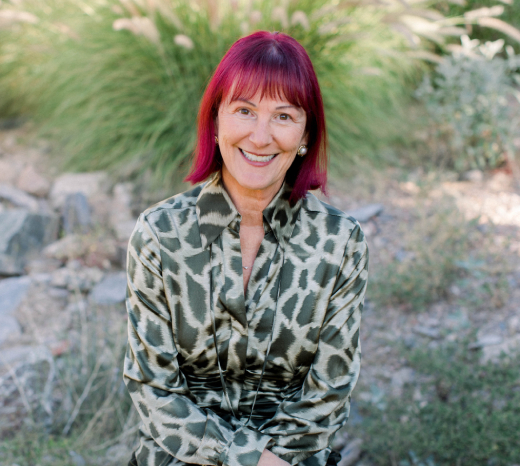
Dr. Linda DeBiase
Forest Institute of Professional Psychology, Doctorate in Clinical Psychology
Lake Forest College
B.A. Psychology
California School of Professional Psychology,
Clinical Psychology
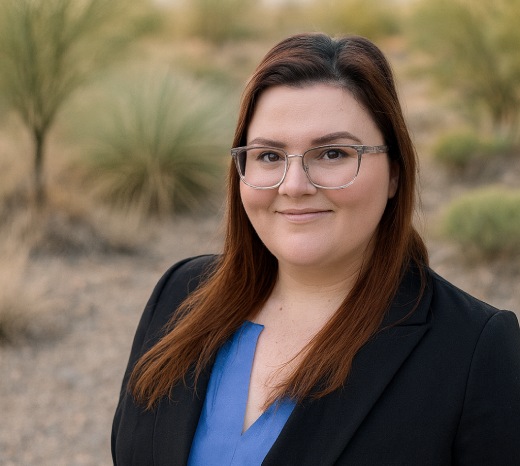
Dr. Nikki Kemper
Psy.D. Clinical Psychology,
Midwestern University
Masters in Clinical Psychology,
Midwestern University
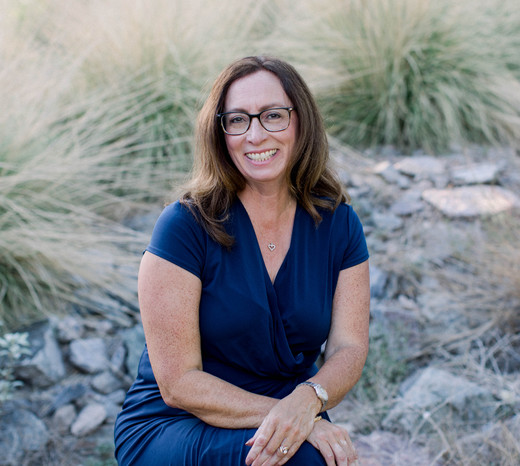
Nicole Elliott, LPC, PMH-C
M.C. Counseling,
Arizona State University
B.A. English (Literature),
Arizona State University
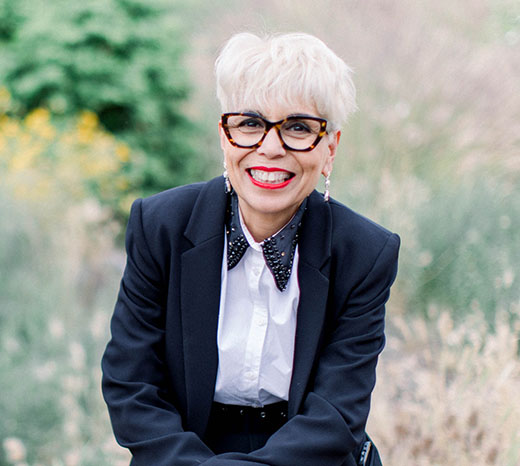
Elizabeth Felix, LPC
M.A. Professional Counseling, Ottawa University
M.A. Human Resources and Substance Abuse,
Ottawa University
B.A. Psychology,
Ottawa University
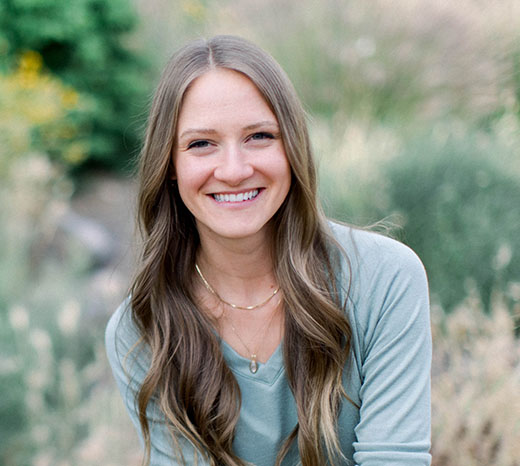
Laura Reed, LPC
M.S. Professional Counseling,
Grand Canyon University
B.S. Psychology,
Grand Canyon University
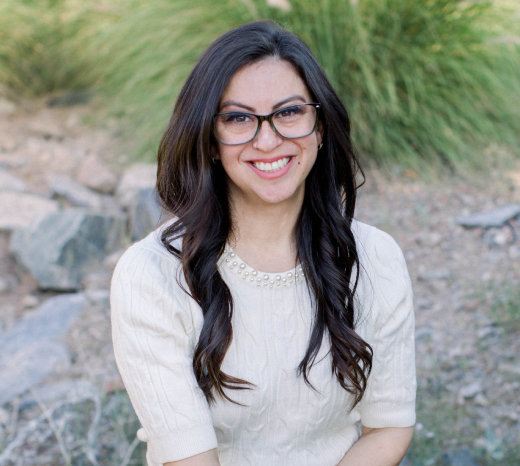
Rebecca Fregoso, LPC
M.S. Counseling,
University of Phoenix
B.A. Psychology,
California State University
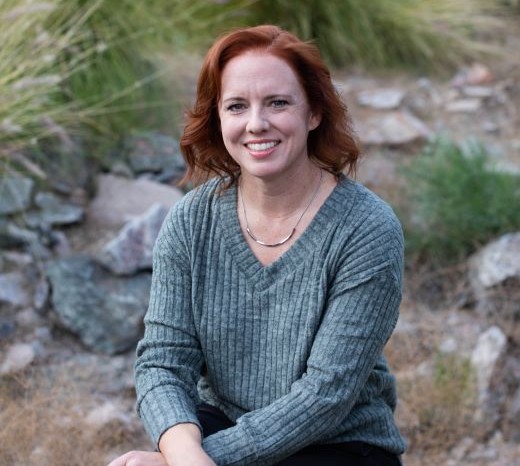
Kirsten Eby, LPC, ATR-BC
M.S. Art Therapy Counseling
Southern Illinois University, Edwardsville
M.A. Teaching, Elementary
American University
B.A. Psychology & Sociology
Tulane University
Dr. Melissa Estavillo
Psy.D. Clinical Psychology, Arizona School of Professional Psychology M.A. Clinical Psychology, Arizona School of Professional Psychology B.S. Psychology, Grand Canyon University
Dr Linda DeBiase
Forest Institute of Professional Psychology, Doctorate in Clinical Psychology Lake Forest College, B.A. Psychology California School of Professional Psychology, Clinical Psychology
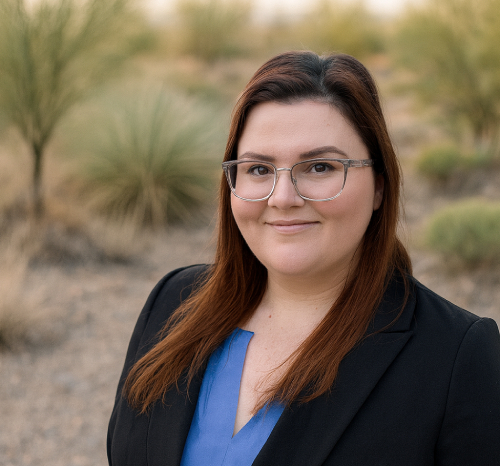
Dr Nikki Kemper
Psy.D. Clinical Psychology, Midwestern University Masters in Clinical Psychology, Midwestern University
Nicole Elliott, LPC
M.C. Counseling, Arizona State University B.A. English (Literature), Arizona State University
Elizabeth Felix, LPC
M.A. Professional Counseling, Ottawa University M.A. Human Resources and Substance Abuse, Ottawa University B.A. Psychology, Ottawa University<
Laura Reed, LPC
M.S. Professional Counseling, Grand Canyon University B.S. Psychology, Grand Canyon University
Rebecca Fregoso, LPC
M.S. Counseling, University of Phoenix, B.A. Psychology, California State University
Kirsten Eby, LPC, ATR-BC
M.S. Art Therapy Counseling Southern Illinois University, Edwardsville M.A. Teaching, Elementary American University B.A. Psychology & Sociology Tulane University
Our Location in Phoenix, AZ
Address:
6245 N 24th Parkway, Suite #106 Phoenix, Arizona 85016
Phone: (480) 999-7070
Hours: Monday – Friday, 9:00 am – 5:00 pm