



Deep Brain Reorienting (DBR) Therapy
Healing Trauma at the Roots of the Brain
Sometimes, the effects of trauma feel so deeply “wired” into our bodies that traditional talk therapy struggles to reach them. You might experience a sudden sense of dread, a physical “shock,” or a feeling of being “braced” for impact without knowing why. At Biltmore Psychology and Counseling, we offer Deep Brain Reorienting (DBR)—a cutting-edge, neuro-physiological approach designed to resolve the very first moment the brain responds to a threat.
Developed by Scottish psychiatrist Dr. Frank Corrigan, DBR goes deeper than many other trauma therapies by focusing on the brainstem. It targets the “orienting tension” that occurs in the midbrain long before the thinking mind has even processed what is happening.
Is DBR Right For Me?
How DBR Differs from Other Trauma Therapies
Most trauma therapies focus on the emotional or cognitive parts of the brain. DBR works “bottom-up,” starting at the foundation of the nervous system.
- Beyond the Narrative: You don’t need to tell and re-tell your story. DBR focuses on the physical “bracing” and “orienting” responses that got stuck in your system during a traumatic event.
- Targeting the Midbrain: By focusing on the Superior Colliculus and the Periaqueductal Gray (PAG) areas of the brain, DBR helps “reorient” the brain to the fact that the threat is over.
- Reducing “Flooding”: Because DBR works so deep in the brain, it is often less emotionally overwhelming than other processing methods, making it a gentle but powerful option for those with complex trauma.
DBR is specifically designed for individuals who feel their trauma is “physical” or “instinctual.” It is an exceptional tool for:
- Complex PTSD (C-PTSD): Healing long-standing patterns of hypervigilance or “numbness” from childhood or repeated trauma.
- Attachment Trauma: Resolving the primal pain associated with early relational wounds or “broken bonds.”
- Treatment-Resistant Anxiety: For those who have tried CBT or other therapies but still feel a constant sense of “threat” in their body.
- Dissociation: Helping individuals stay grounded by processing the deep-brain responses that trigger a “shutdown.”
- Unresolved Grief: Processing the deep “yearning” or “reaching” responses associated with profound loss.
What to Expect in a DBR Session
A DBR session is a quiet, focused, and deeply mindful experience. Your therapist will guide you through:
- Identifying the Trigger: Pinpointing a memory or a current feeling of distress.
- Tracking the Orienting Tension: Noticing the very first physical tension in your head, neck, or shoulders—the “bracing” response.
- Mindful Observation: Staying with that physical sensation as the brain naturally begins to process and “de-condition” the old threat response.
- Integration: Allowing the nervous system to settle into a new state of safety and calm.
Reorient Toward Peace
In a free, no-obligation 10-min consultation we can help you determine whether our services would be the right fit for you.
Your brain was designed to protect you, but it doesn’t have to stay “braced” forever. At Biltmore Psychology and Counseling, our DBR-trained specialists are ready to help you find a new sense of safety from the inside out.
Contact us to schedule a free phone consultation.
Reorient Toward Peace
In a free, no-obligation 10-min consultation we can help you determine whether our services would be the right fit for you.
Your brain was designed to protect you, but it doesn’t have to stay “braced” forever. At Biltmore Psychology and Counseling, our DBR-trained specialists are ready to help you find a new sense of safety from the inside out.
Contact us to schedule a free phone consultation.
Deep Brain Reorienting FAQ
While both are powerful trauma tools, EMDR often focuses on the “limbic” (emotional) system and uses eye movements. DBR goes deeper into the “brainstem” (instinctual) level. Many clients find DBR to be “quieter” and more focused on physiological sensations than EMDR.
No. One of the greatest benefits of DBR is that it is not a “narrative” therapy. We focus on the response your brain had to the event, rather than the details of the event itself. This makes it an ideal choice for those who find talking about their past too painful.
No. You are fully awake, alert, and in control throughout the session. DBR is a mindful, physiological process that leverages your brain’s natural ability to heal itself with the right focus.
This varies by individual and the complexity of the trauma. Some clients experience a significant “shift” in just a few sessions, while others use DBR as a consistent tool within their broader therapeutic journey.
Meet Our Team
Dr. Melissa Estavillo
Psy.D. Clinical Psychology,
Arizona School of Professional Psychology
M.A. Clinical Psychology,
Arizona School of Professional Psychology
B.S. Psychology,
Grand Canyon University

Dr. Linda DeBiase
Forest Institute of Professional Psychology, Doctorate in Clinical Psychology
Lake Forest College
B.A. Psychology
California School of Professional Psychology,
Clinical Psychology
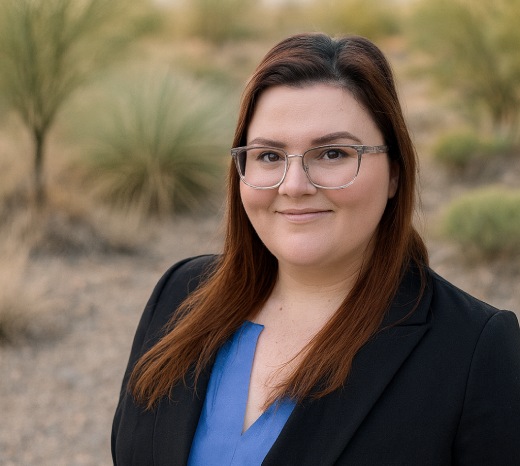
Dr. Nikki Kemper
Psy.D. Clinical Psychology,
Midwestern University
Masters in Clinical Psychology,
Midwestern University

Nicole Elliott, LPC, PMH-C
M.C. Counseling,
Arizona State University
B.A. English (Literature),
Arizona State University
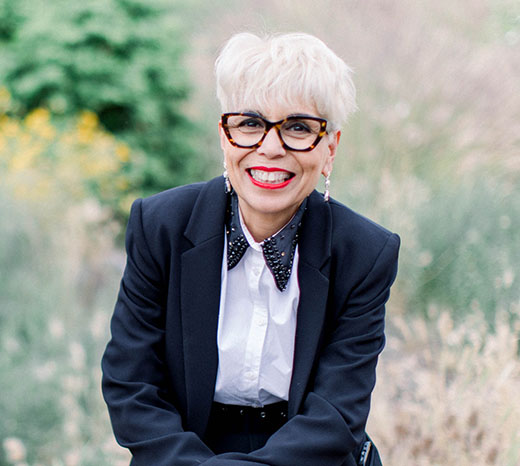
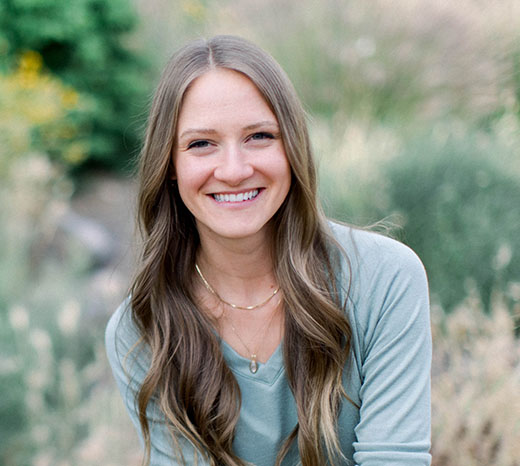
Elizabeth Felix, LPC
M.A. Professional Counseling, Ottawa University
M.A. Human Resources and Substance Abuse,
Ottawa University
B.A. Psychology,
Ottawa University
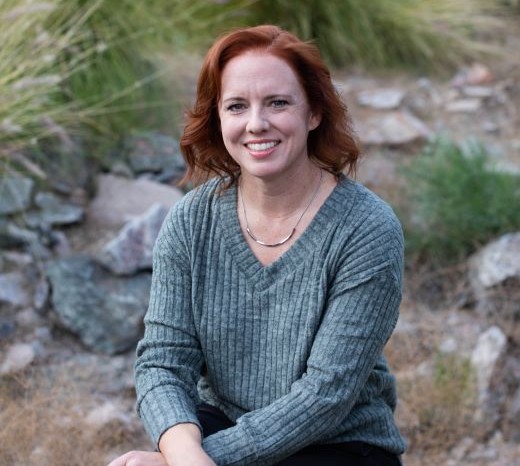
Laura Reed, LPC
M.S. Professional Counseling,
Grand Canyon University
B.S. Psychology,
Grand Canyon University

Rebecca Fregoso, LPC
M.S. Counseling,
University of Phoenix
B.A. Psychology,
California State University
Kirsten Eby, LPC, ATR-BC
M.S. Art Therapy Counseling
Southern Illinois University, Edwardsville
M.A. Teaching, Elementary
American University
B.A. Psychology & Sociology
Tulane University
Dr. Melissa Estavillo
Psy.D. Clinical Psychology, Arizona School of Professional Psychology M.A. Clinical Psychology, Arizona School of Professional Psychology B.S. Psychology, Grand Canyon University
Dr Linda DeBiase
Forest Institute of Professional Psychology, Doctorate in Clinical Psychology Lake Forest College, B.A. Psychology California School of Professional Psychology, Clinical Psychology
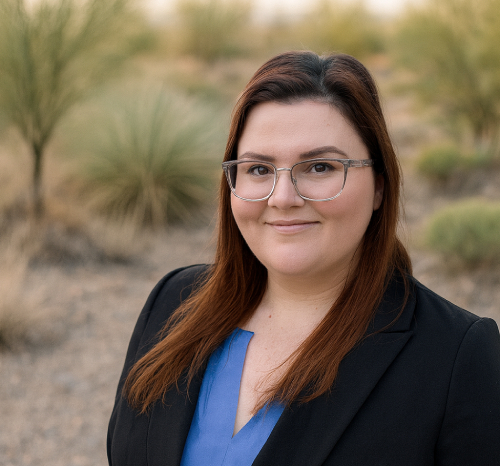
Dr Nikki Kemper
Psy.D. Clinical Psychology, Midwestern University Masters in Clinical Psychology, Midwestern University
Nicole Elliott, LPC
M.C. Counseling, Arizona State University B.A. English (Literature), Arizona State University
Elizabeth Felix, LPC
M.A. Professional Counseling, Ottawa University M.A. Human Resources and Substance Abuse, Ottawa University B.A. Psychology, Ottawa University<
Laura Reed, LPC
M.S. Professional Counseling, Grand Canyon University B.S. Psychology, Grand Canyon University
Rebecca Fregoso, LPC
M.S. Counseling, University of Phoenix, B.A. Psychology, California State University
Kirsten Eby, LPC, ATR-BC
M.S. Art Therapy Counseling Southern Illinois University, Edwardsville M.A. Teaching, Elementary American University B.A. Psychology & Sociology Tulane University
Our Location in Phoenix, AZ
Address:
6245 N 24th Parkway, Suite #106 Phoenix, Arizona 85016
Phone: (480) 999-7070
Hours: Monday – Friday, 9:00 am – 5:00 pm