

Cognitive Behavioral Therapy (CBT) Counseling in Scottsdale, AZ
CBT Counseling in Scottsdale
Cognitive Behavioral Therapy (CBT) is available to Scottsdale residents at Biltmore Psychology & Counseling. Our licensed psychologists and counselors use CBT to treat anxiety, depression, OCD, panic, and stress-related concerns, in person at our office near Biltmore Fashion Park and online anywhere in Arizona. CBT is among the most researched forms of psychotherapy in existence. Free 10-minute consultation: (480) 999-7070.
CBT is a very popular approach, and it is popular with clinicians and clients for the same reason: it is concrete. You leave sessions with something to do, you can tell whether it is working, and the whole thing is built to make itself unnecessary.
The goal of CBT is that you end up able to do for yourself what your therapist was doing with you.
Cognitive Behavioral Therapy is a structured, present-focused form of therapy built on a simple observation: thoughts, feelings and behavior are linked, and changing one changes the others.
Much of the distress people bring to counseling is maintained by unhealthy or maladaptive thinking patterns, meaning habits of interpretation that feel like accurate readings of reality but are actually predictable distortions. Catastrophizing, mind reading, all-or-nothing thinking and discounting anything that goes well are among the common ones.
CBT teaches you to catch those patterns while they are happening, test them against evidence rather than against how convincing they feel, and respond differently. The behavioral half matters just as much as the cognitive half. Avoidance, in particular, tends to be what keeps anxiety alive, and CBT works on that directly rather than only on the thinking around it.
CBT for Scottsdale Residents
Our office is at 6245 N 24th Parkway near 24th Street and Camelback, next to Biltmore Fashion Park, about 20 minutes west of Old Town Scottsdale on Camelback Road. We see clients from Old Town, Arcadia, McCormick Ranch, Gainey Ranch, North Scottsdale, DC Ranch and Grayhawk.
CBT suits online delivery unusually well. Much of the work involves reviewing what happened during the week, examining a thought pattern together and agreeing on something to practice before the next session, none of which needs a shared room.
Online sessions are available to any Arizona resident, which for North Scottsdale clients often means the difference between weekly consistency and a session every third week when traffic allows. Consistency matters more than location in CBT, because the between-session practice is where most of the change happens.
CBT is a method rather than a service, so it shows up across much of our work. If you know what you want help with rather than which approach you want, anxiety counseling and depression counseling are better starting points, alongside everything else we offer locally in Scottsdale.
How Effective is CBT?
CBT is not the right tool for everything, and saying so is part of using it honestly. It works particularly well for anxiety disorders, depression, panic, OCD and phobias. It is often less well suited as a standalone approach for unresolved trauma, where EMDR or another trauma-specific method may do more, or for relationship distress, where couples work addresses what individual therapy cannot. Many of our clients use CBT alongside another approach rather than instead of one.
How Does CBT Work?
In practice, a course of CBT usually looks like this. Early sessions are spent identifying the specific patterns driving the problem, which is more precise work than it sounds and often changes how you understand the problem itself. From there, each session tends to follow a loose structure: review how the week went, look at what came up, work on a specific pattern, and agree on something to try before next time.
That between-session piece is not optional homework in the school sense, it is where the actual change happens. A thought pattern examined only in a therapist’s office on Tuesday will not shift much. One caught and tested in the moment it fires, repeatedly, will. Sessions are typically weekly at first, and many people move to fortnightly as things improve.
Cognitive Behavioral Therapy FAQ
What concerns is CBT effective for?
CBT has the strongest evidence base for anxiety disorders, depression, panic attacks, phobias, obsessive-compulsive disorder and stress-related difficulties. It is also used effectively for insomnia, anger, low self-esteem, health anxiety and disordered eating patterns.
Within our practice it appears throughout our work on anxiety, depression and OCD. It is generally less effective on its own for unprocessed trauma and for relationship distress, both of which usually call for a different or additional approach.
How long does CBT take to work?
CBT is deliberately time-limited compared with open-ended therapy, and a typical course runs somewhere in the range of 12 to 20 weekly sessions, with focused problems sometimes resolving in fewer.
Many people notice something shifting well before the course ends, often within the first month, because the early sessions alone tend to change how you see the problem. The strongest predictor of how fast it moves is not the severity of the problem but how much of the between-session practice you actually do.
Your therapist will review progress with you regularly, and if it is not working, that is a reason to change approach rather than to keep going.
Are there any downsides to cognitive behavioral therapy?
There are, and they are worth knowing before you start. CBT asks for active participation, including work between sessions, which some people find demanding at a point when their capacity is already low.
It focuses on the present rather than on history, so if you want to understand where a pattern originated, CBT on its own may feel like it is skipping something. Confronting avoided situations is uncomfortable by design, and things can feel harder before they feel easier. And it is not a good standalone fit for every problem, particularly unresolved trauma.
None of this makes CBT a poor choice. It makes it a specific one, and part of a consultation is working out whether it is the right specific choice for you.
How is CBT different from talk therapy?
Traditional talk therapy is largely exploratory. You bring what is on your mind, the therapist helps you understand it, and insight is the main mechanism of change. CBT is structured and goal-directed. You and your therapist agree on specific targets, sessions follow a rough shape, and you practice things between them.
Talk therapy tends to look backward at where patterns came from. CBT looks at what is maintaining them right now. Neither is superior. They suit different problems and different people, and plenty of our clients get value from both, either together or in sequence.
Can CBT be done online?
Yes, and it adapts to online delivery better than most approaches. The structured format, the shared worksheets and the review-and-practice rhythm all transfer cleanly to video.
Research on internet-delivered CBT has been broadly positive for anxiety and depression. We offer online CBT sessions to any Arizona resident, and you can mix formats if you prefer some sessions in person.
Do you have a therapist near Scottsdale?
Our office is in Phoenix at 6245 N 24th Parkway, near 24th Street and Camelback beside Biltmore Fashion Park, about 20 minutes from Old Town Scottsdale on Camelback Road. We have served the Scottsdale area since 2012. If the drive does not suit your schedule, online sessions are available to any Arizona resident.
Can I do CBT online if I live in Scottsdale?
Yes. Online CBT is available to any Arizona resident and works well for this approach in particular. For Scottsdale clients the practical benefit is usually consistency: a weekly session that does not depend on getting across town at rush hour is a session you are more likely to keep. Call (480) 999-7070 to arrange it.
How much does CBT cost, and do you take insurance?
Biltmore Psychology & Counseling is an out-of-network provider and does not bill insurance directly. If your plan includes out-of-network mental health benefits, we provide a receipt you can submit to your insurer for reimbursement, and many clients are reimbursed for a portion of each session.
Fees vary by clinician and by the type of session, so call (480) 999-7070 and we will give you the current rate before you book anything.
Start your journey with confidence
In a free, no-obligation 10-minute consultation we can tell you whether CBT is the right fit for what you are dealing with, and if another approach would serve you better, we will say so.
Our licensed clinicians see Scottsdale clients in person at our Biltmore-area office and online throughout Arizona.
Start your journey with confidence
In a free, no-obligation 10-minute consultation we can tell you whether CBT is the right fit for what you are dealing with, and if another approach would serve you better, we will say so.
Our licensed clinicians see Scottsdale clients in person at our Biltmore-area office and online throughout Arizona.
Meet Our Team
Dr. Melissa Estavillo
Psy.D. Clinical Psychology,
Arizona School of Professional Psychology
M.A. Clinical Psychology,
Arizona School of Professional Psychology
B.S. Psychology,
Grand Canyon University
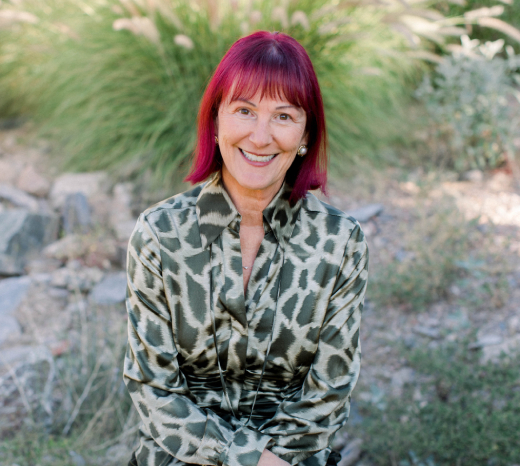
Dr. Linda DeBiase
Forest Institute of Professional Psychology, Doctorate in Clinical Psychology
Lake Forest College
B.A. Psychology
California School of Professional Psychology,
Clinical Psychology
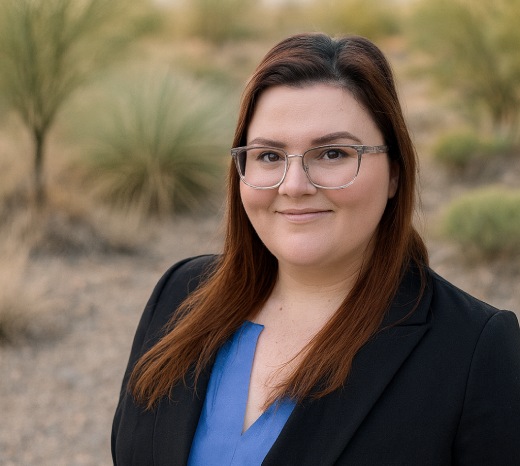
Dr. Nikki Kemper
Psy.D. Clinical Psychology,
Midwestern University
Masters in Clinical Psychology,
Midwestern University
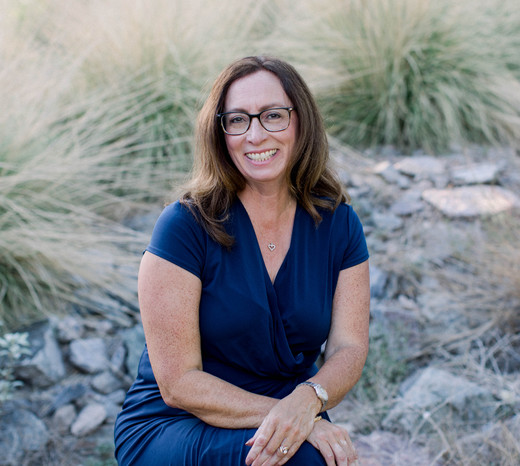
Dr. Cynthia Regardie
Psy.D. Clinical Psychology,
Rosemead School of Psychology
M.A. Clinical Psychology,
Rosemead School of Psychology
B.A. Psychology,
University of California, Irvine
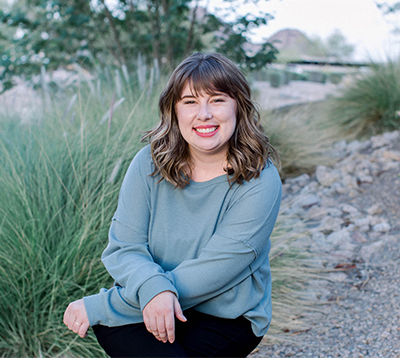
Nicole Elliott, LPC, PMH-C
M.C. Counseling,
Arizona State University
B.A. English (Literature),
Arizona State University
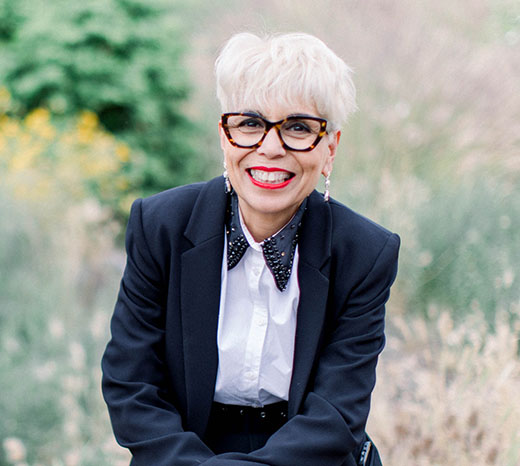
Elizabeth Felix, LPC
M.A. Professional Counseling, Ottawa University
M.A. Human Resources and Substance Abuse,
Ottawa University
B.A. Psychology,
Ottawa University
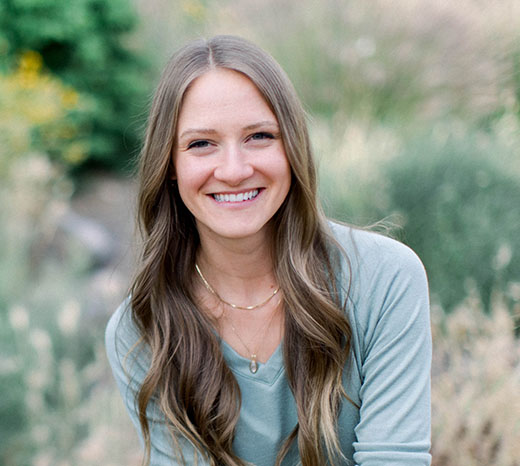
Laura Reed, LPC
M.S. Professional Counseling,
Grand Canyon University
B.S. Psychology,
Grand Canyon University
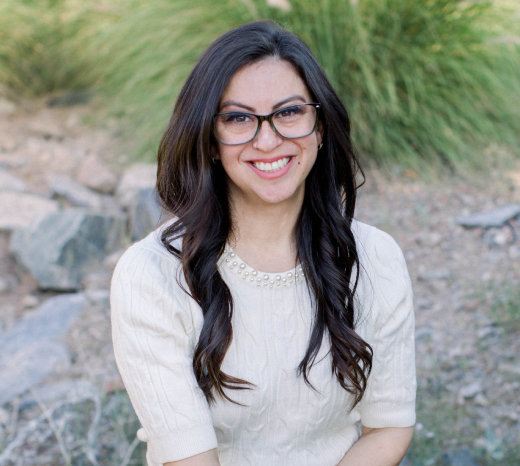
Rebecca Fregoso, LPC
M.S. Counseling,
University of Phoenix
B.A. Psychology,
California State University
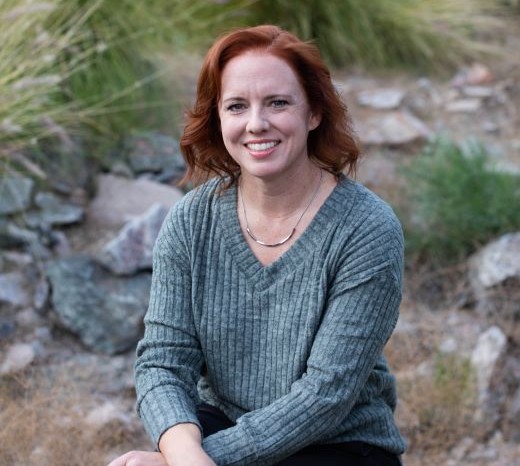
Kirsten Eby, LPC, ATR-BC
M.S. Art Therapy Counseling
Southern Illinois University, Edwardsville
M.A. Teaching, Elementary
American University
B.A. Psychology & Sociology
Tulane University
Dr. Melissa Estavillo
Psy.D. Clinical Psychology, Arizona School of Professional Psychology M.A. Clinical Psychology, Arizona School of Professional Psychology B.S. Psychology, Grand Canyon University
Dr. Linda DeBiase
Forest Institute of Professional Psychology, Doctorate in Clinical Psychology Lake Forest College, B.A. Psychology California School of Professional Psychology, Clinical Psychology
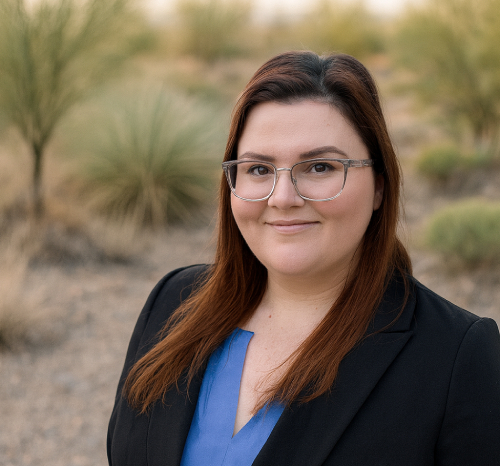
Dr. Nikki Kemper
Psy.D. Clinical Psychology, Midwestern University Masters in Clinical Psychology, Midwestern University
Dr. Cynthia Regardie
Psy.D. Clinical Psychology,
Rosemead School of Psychology
M.A. Clinical Psychology,
Rosemead School of Psychology
B.A. Psychology,
University of California, Irvine
Nicole Elliott, LPC PMH-C
M.C. Counseling, Arizona State University B.A. English (Literature), Arizona State University
Elizabeth Felix, LPC
M.A. Professional Counseling, Ottawa University M.A. Human Resources and Substance Abuse, Ottawa University B.A. Psychology, Ottawa University<
Laura Reed, LPC
M.S. Professional Counseling, Grand Canyon University B.S. Psychology, Grand Canyon University
Rebecca Fregoso, LPC
M.S. Counseling, University of Phoenix, B.A. Psychology, California State University
Kirsten Eby, LPC, ATR-BC
M.S. Art Therapy Counseling Southern Illinois University, Edwardsville M.A. Teaching, Elementary American University B.A. Psychology & Sociology Tulane University
Our Location Near Scottsdale, AZ
We see Scottsdale clients at our Phoenix office beside Biltmore Fashion Park, at 24th Street and Camelback. From Scottsdale Road it is a direct drive west on Camelback Road, about 20 minutes from Old Town. Parking is available on site. Online sessions are open to any Arizona resident.
Biltmore Psychology and Counseling
Address:
6245 N 24th Parkway, Suite #106 Phoenix, Arizona 85016
Phone:
Hours:
Monday – Friday, 9:00 am – 5:00 pm